Projects
-
 Published on
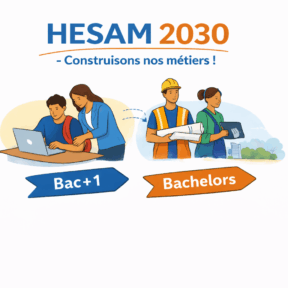
HESAM 2030
HESAM 2030 develops innovative programs (Bac+1 and Bachelors) that support student success and employability. The initiative focuses on personalized guidance, project-based learning, and opening access to diverse student profiles to meet evolving workforce and regional needs.
-
 Published on
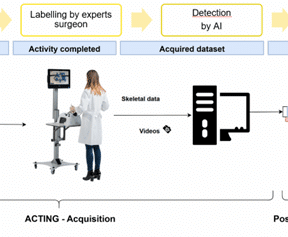
ACTING – Advanced laparosCopic TrainINg based on Gesture and posture recognition
The ACTING project applies artificial intelligence to analyze the gestures and postures of medical trainees during laparoscopic training using a laparotrainer. By combining motion capture and video analysis, it aims to assess performance, identify effective practices, and deliver personalized recommendations to support trainees’ learning and skill improvement.
-
 Published on
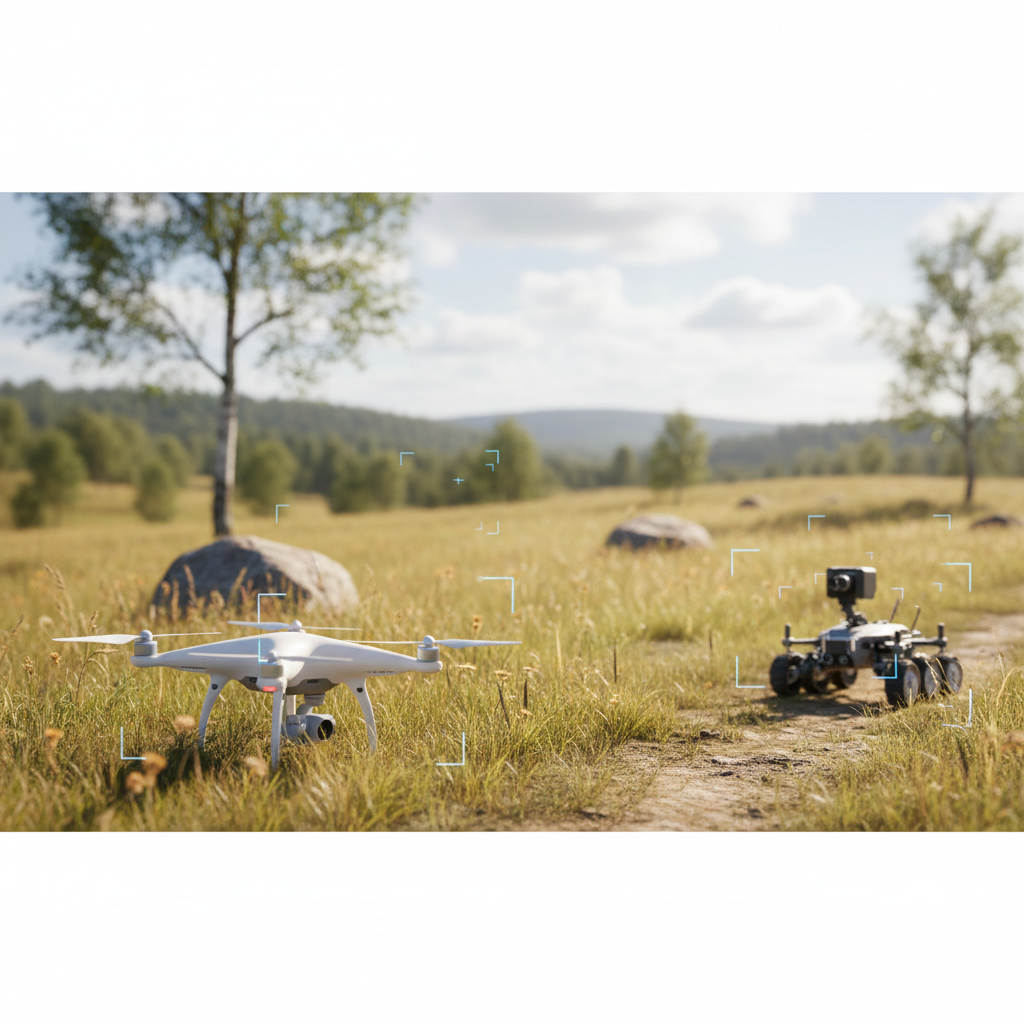
Drinea (DEVEX)
The DRINEA – DEVEX project develops AI solutions for vehicle and human detection in complex outdoor environments, combining real data and digital twins to enhance human–machine collaboration.
-
 Published on
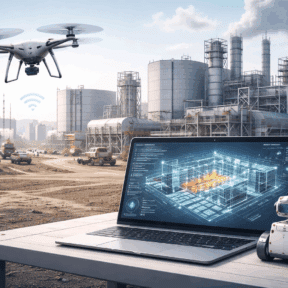
Efficience
The EFFICIENCE Drone project develops innovative drone-based, digital twin and human–robot collaboration solutions to strengthen natural and industrial risk management in Normandy.
-
 Published on
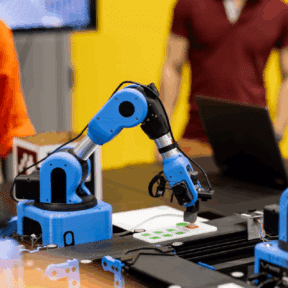
Transformation of the training offer and creating new training programs
This project transforms CESI’s training programs by integrating digital twins and XR technologies to train engineers in immersive robotic design, programming and control, aligned with Industry 5.0 challenges.
-
 Published on
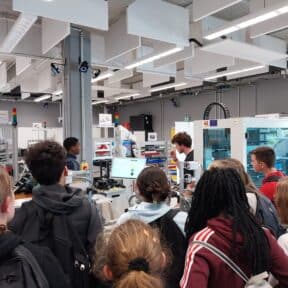
NORMANDIE SUP CSTI 3NC
This project strengthens scientific and industrial culture in Normandy through immersive workshops focused on robotics, additive manufacturing, drones and XR technologies, aligned with the challenges of Industry 5.0.
-
 Published on
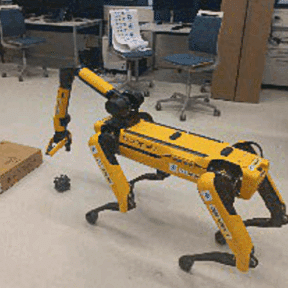
Oasis – Robotics & artificial intelligence for industrial risk management in hostile environments
CESI LINEACT’s OASIS project explores the use of robotics and artificial intelligence for industrial risk management in hostile environments. Using the SPOT robot, it develops inspection, simulation, and decision support solutions for the energy sector.
-
 Published on
Fan polymer platform
The project aims to strengthen regional competitiveness through additive manufacturing in Normandy. It develops research, skills, and cooperation among stakeholders in the areas of materials, processes, finishes, and recycling, while raising awareness among young people and professionals about the technologies and professions of tomorrow.
-
 Published on
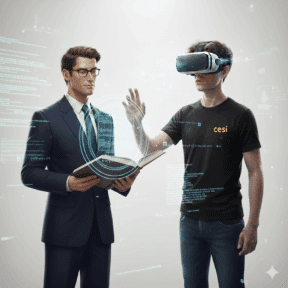
Nexus
The NEXUS project is developing an open-source Metaverse platform for immersive learning, leveraging virtual reality and embodied cognition. It is studying the impact of avatars on users, active interaction in VR, and the convergence of collective intelligence and VR to improve communication and collaborative learning.
-
 Published on
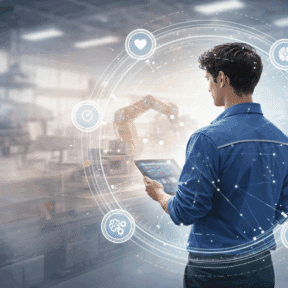
Antihpert – operator 4.0 and dynamic anticipation of its disruptions in production workshops
Human-centered production systems are at the heart of the new industrial revolution. Understanding and modeling operator behavior makes it possible to design systems capable of anticipating their actions, reducing human variability, and improving the overall performance of industrial processes.
-
 Published on
Rouen smart mobility for everyone
The Rouen Metropolitan Area and its partners are developing an integrated mobility system aimed at facilitating unrestricted travel, reducing environmental and physical impacts, and transforming mobility through innovative solutions: autonomous, carbon-free, digital, shared, connected, and geared toward behavioral change.
-
 Published on
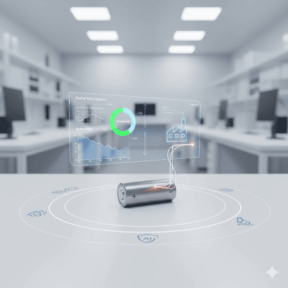
Battwin flexible and scalable digital twin platform for enhanced production efficiency and yield in battery cell production lines
Europe, which lags behind Asia in the production of Li-ion batteries, plans to have 25 gigafactories by 2030. This industrial challenge requires reducing manufacturing defects, bridging the technology gap, and leveraging European strengths—green technologies, digital technologies, and zero-defect manufacturing—to remain competitive.